The Right Mower for Your Yard — and Somebody Who Actually Knows the Difference
What to Expect From Your Greater San Antonio Lawn Mower Experts
Not all mowers are created equal, and not all yards are the same. A 21-inch walk-behind that’s perfect for a quarter-acre lot will wear out a homeowner on a sloped half-acre. A zero-turn that glides on flat ground can be a real handful on a hill.
Trusted by generations of San Antonio homeowners, the pros at James Lawnmower have been helping San Antonio families choose the right machine since before most of the big-box reps were born. They carry Toro, Echo, Exmark, and other professional-grade brands.
We’re glad the big-box stores are helping our kids get real-world experience, but you really want to talk to an experienced pro before making a buying decision.
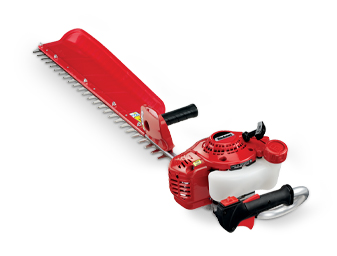
Model HT232
The Shindaiwa HT232 Single-Sided Hedge Trimmer offers lightweight, professional performance. Its nickel-plated, double-reciprocating blades ensure efficient, precise cuts. Ideal for demanding tasks, this trimmer combines durability with superior trimming capability.
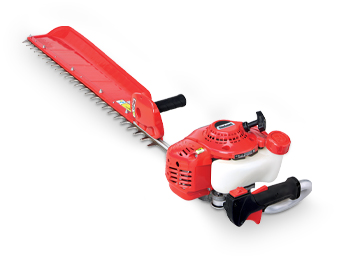
Model HT235
The Shindaiwa HT235 Single-Sided Hedge Trimmer delivers lightweight, professional performance and has a longer blade than the HT232. Its robust design offers power and an extended reach, making it perfect for precise trimming in demanding landscaping tasks. Ideal for professional use.

Model SHC-225
A tough, sharp and reliable partner. The professional-grade SHC-225 shafted hedge trimmer makes quick work of stray branches. With a comfortable design, 33-in. shaft and offset gear case, it simplifies cuts at awkward angles or in hard-to-reach places.
- 21 in. double-sided, double reciprocating RazorEdgeu00ae blades feature three sharpened edges for more efficient cutting
- Medium-length shaft provides balance of maneuverability and reach
- 21.2 cc professional-grade, 2-stroke engine

Model SHC-225S
The SHC-225S hedge trimmer features an offset gear case and 20-in. shaft to add reach without compromising maneuverability. With easy starting, reduced vibration and ergonomic design, it keeps user fatigue to a minimum.
- 21 in. double-side, double reciprocating RazorEdgeu00ae blades feature three sharpened edges for more efficient cutting
- Short shaft for maximum maneuverability
- 21.2 cc professional-grade, 2-stroke engine

Model SHC-2620
Power, precision, performance, and reach. The best-in-class SHC-2620 hedge trimmer pairs pro-grade muscle with a lightweight construction and 51-in. shaft to power through tough jobs and hard-to-reach hedges. A gear case offset by 7° also adds smoothness and precision for demanding cuts.
- 21 in. double-sided, double-reciprocating RazorEdgeu00ae blades feature three sharpened edges for more efficient cutting
- 51 in. shaft with 7-degree angle provides greater reach and visibility of hedges while cutting
- 25.4 cc professional-grade, 2-stroke engine

Model SHC-2620S
Give your hedges smoother edges. The SHC-2620S hedge trimmer starts easily and delivers best-in-class cutting performance. A lightweight design, 42-in. shaft, and sharp, durable 21-in. RazorEdge® blade also shave time and effort off the workday.
- 21 in. double-sided, double-reciprocating RazorEdgeu00ae blades feature three sharpened edges for more efficient cutting
- 42 in. shaft provides ideal balance of maneuverability and reach
- 25.4 cc professional-grade, 2-stroke engine
Come in, tell us about your yard. We'll find your mower.
Bring your yard dimensions if you have them — even a rough idea of square footage helps. Our team will do the rest.
Frequently Asked Questions About Lawn Mowers
What's the difference between the Toro Recycler and Super Recycler?
The Toro Recycler is Toro’s core residential walk-behind mower — a reliable, well-built machine that mulches clippings back into the lawn. The Super Recycler takes it further: it adds Toro’s Personal Pace self-propel system (the mower matches your walking speed automatically), a more powerful engine, a larger rear bag, and a heavier-duty steel deck. If you have a large or varied yard and want the mowing to feel effortless, the Super Recycler is worth the step up. For a straightforward small yard, the standard Recycler does the job. The team at James Lawnmower carries both and can show you the differences in person.
What's the difference between a walk-behind mower and a zero-turn?
A walk-behind mower — push or self-propelled — is best for smaller residential lots up to about half an acre, especially yards with tight gates, terraced areas, or a lot of obstacles. They’re maneuverable, easy to store, and straightforward to maintain. A zero-turn rider steers by independently controlling two drive wheels, which means it can spin in place and navigate around trees and beds with almost no wasted passes. For properties over half an acre with open areas, a zero-turn will dramatically cut your mowing time. The trade-off is that zero-turns can struggle on steep slopes compared to a walk-behind.
What is Toro Personal Pace, and do I need it?
Personal Pace is Toro’s self-propel system that automatically matches the mower’s ground speed to how fast you walk. You don’t set a speed dial — you just push forward on the handle bar and the mower responds. Walk faster, it goes faster; ease up, it slows. It’s intuitive almost immediately and makes a noticeable difference on larger yards or long mowing sessions. If you’re pushing a mower on a yard over 6,000 square feet, or if anyone in your household finds the effort of pushing tiring, Personal Pace is worth having. If your yard is small and flat, a standard push mower may be all you need.
Which Toro mower is best for hills?
For moderate slopes, a rear-wheel-drive self-propelled walk-behind mower gives you the most control — the drive wheels pull the front of the mower up the hill while you guide from behind. For steeper grades, a heavier commercial walk-behind gives you more traction and stability. Zero-turns are generally not recommended for significant slopes — they can lose traction on wet grass and are harder to control on an incline. The team at James Lawnmower will ask about the grade of your yard and the type of grass before recommending anything. If there’s any doubt, describing your slope is worth the conversation.