A Chainsaw You Can Trust When It Matters
What to Expect From Your Greater San Antonio Chainsaw Experts
Chainsaws are not the place to cut corners. Whether you’re clearing storm damage, taking down a dead tree, or managing brush on a larger property, you need a saw that starts when you need it and cuts clean.
The team at James Lawnmower carries Stihl and Echo chainsaws — professional-grade tools built to be serviced, not replaced after one season. They’ll help you choose the right bar length and engine size for what you’re actually cutting.
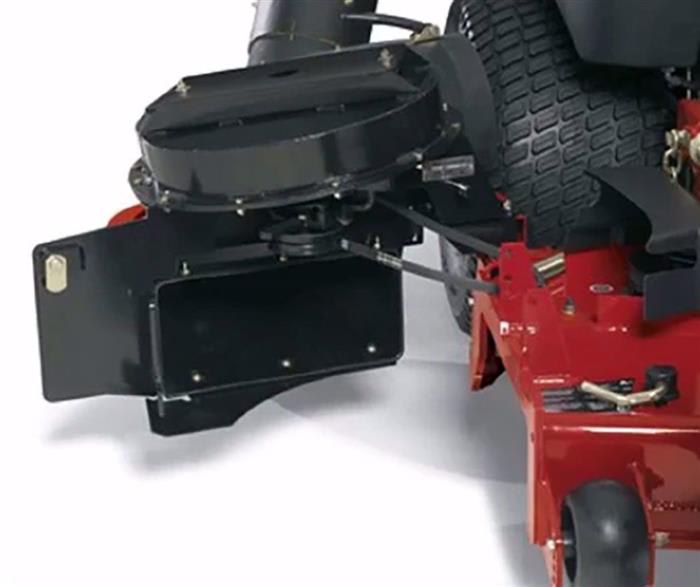
Model 78464

Model 78433
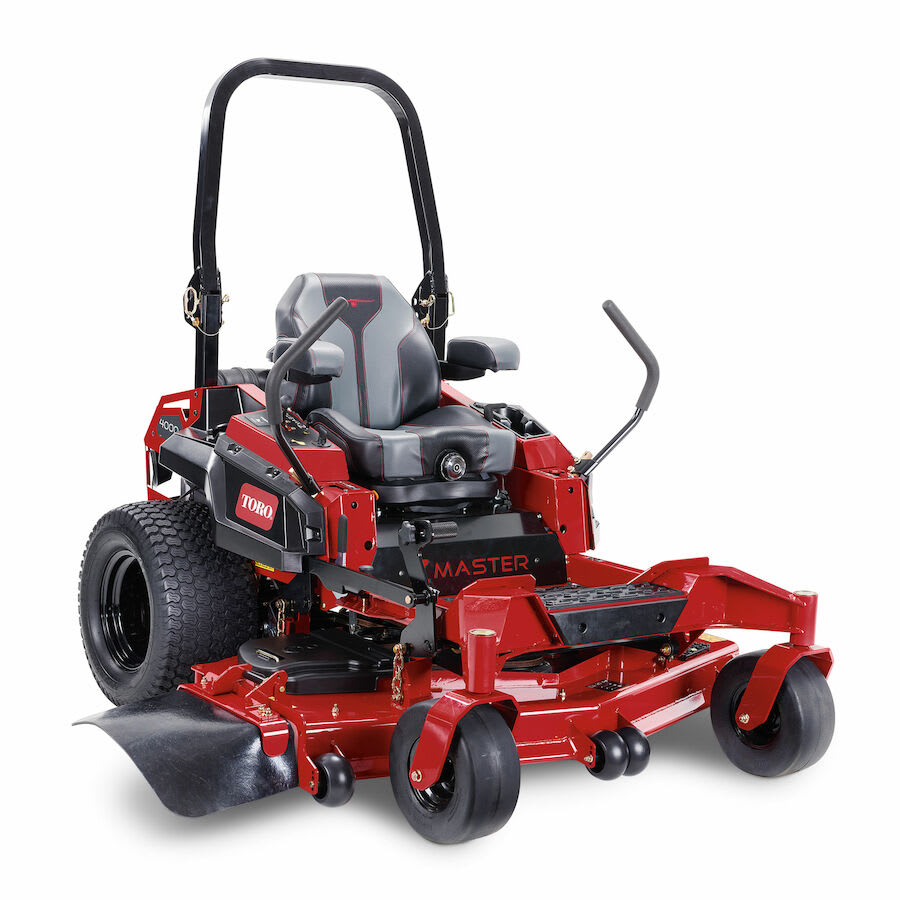
Model 74000
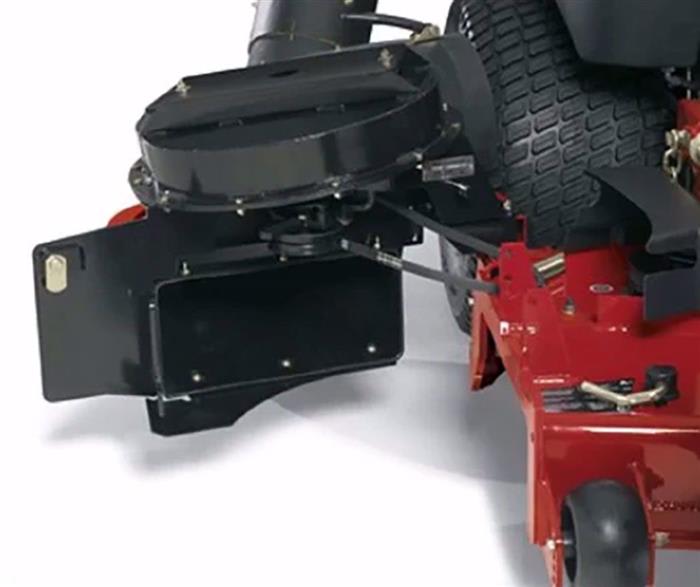
Model 78465

Model 78434
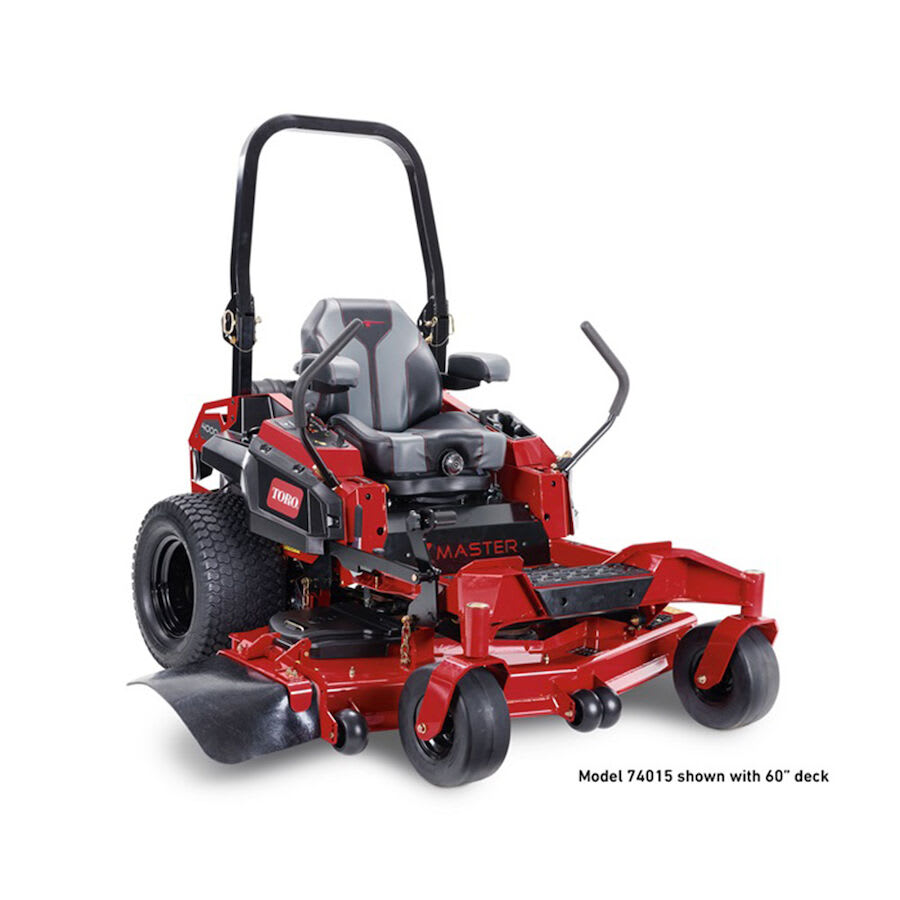
Model 74010
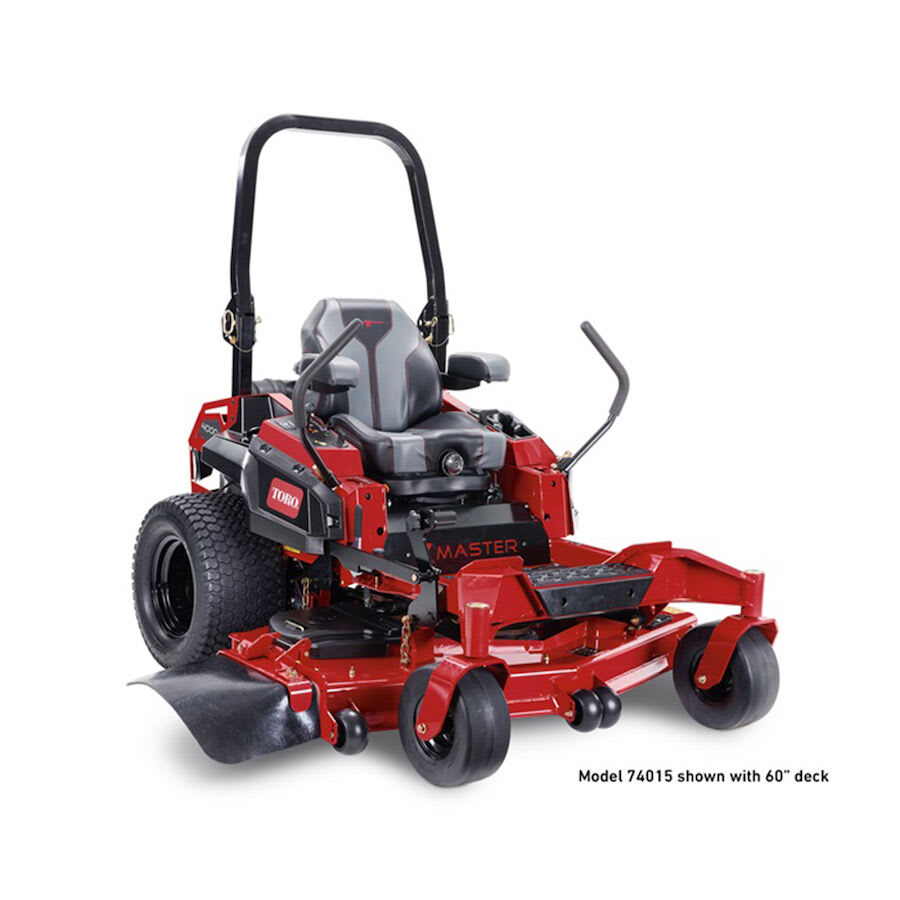
Model 74002
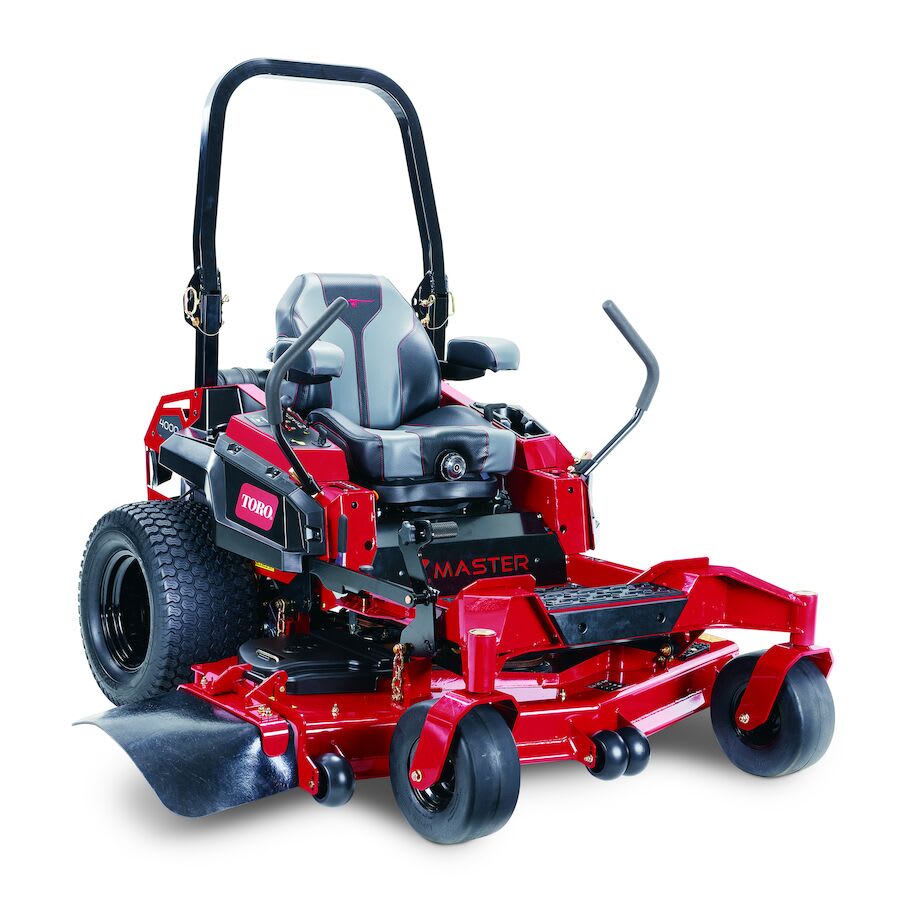
Model 74052
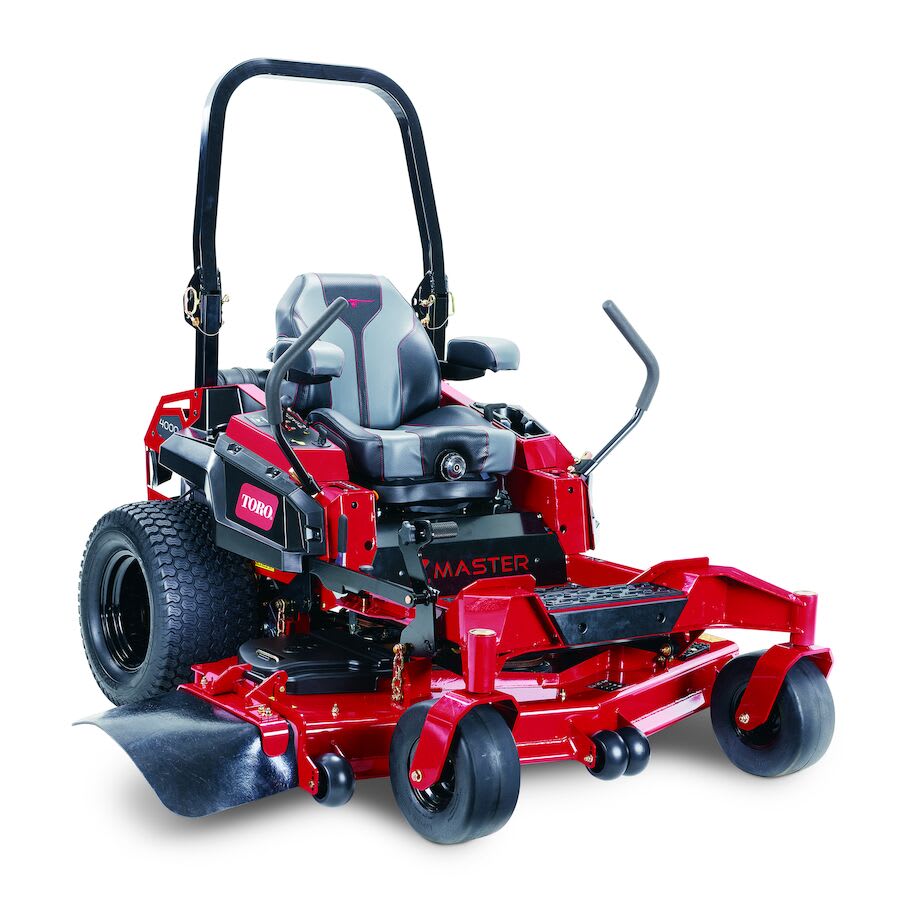
Model 74050
Model 78466
Model 78553

Model 78459
Model 74035
Model 74036
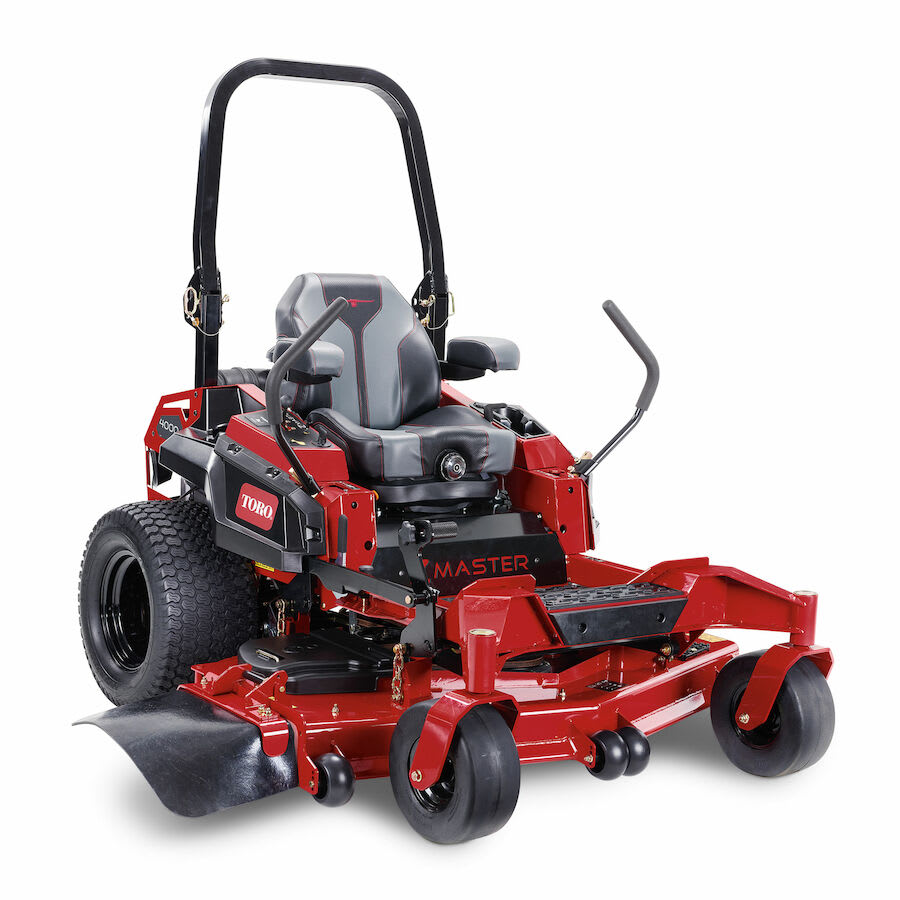
Model 74015
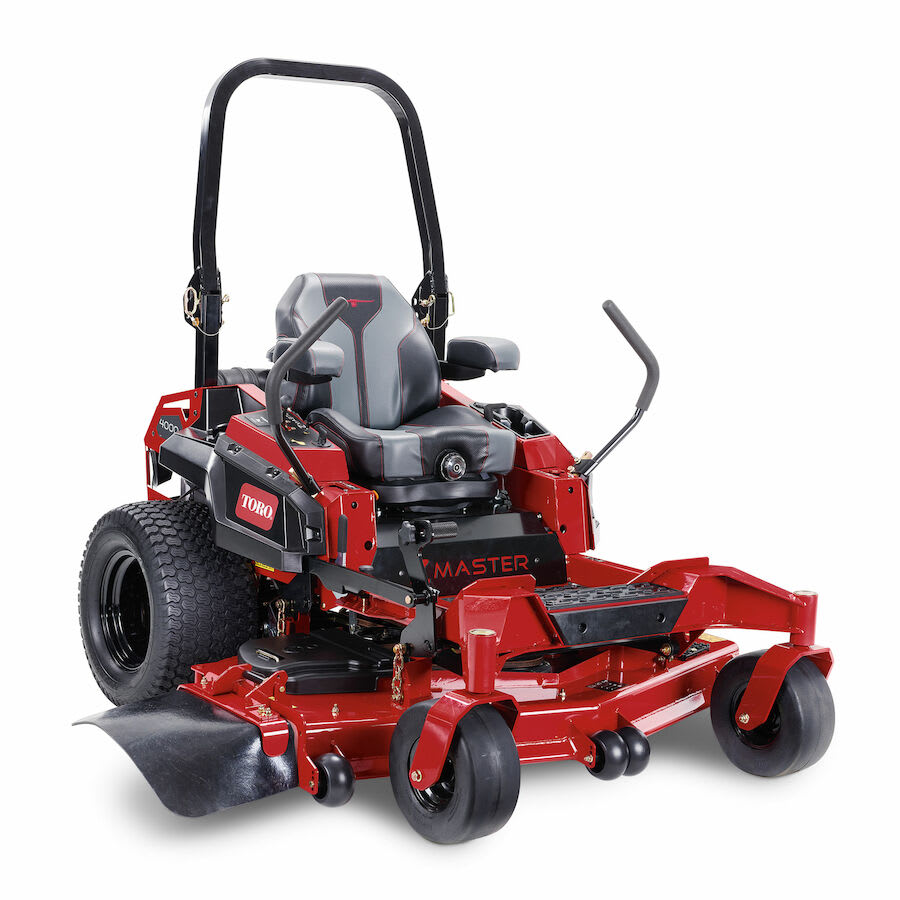
Model 74016
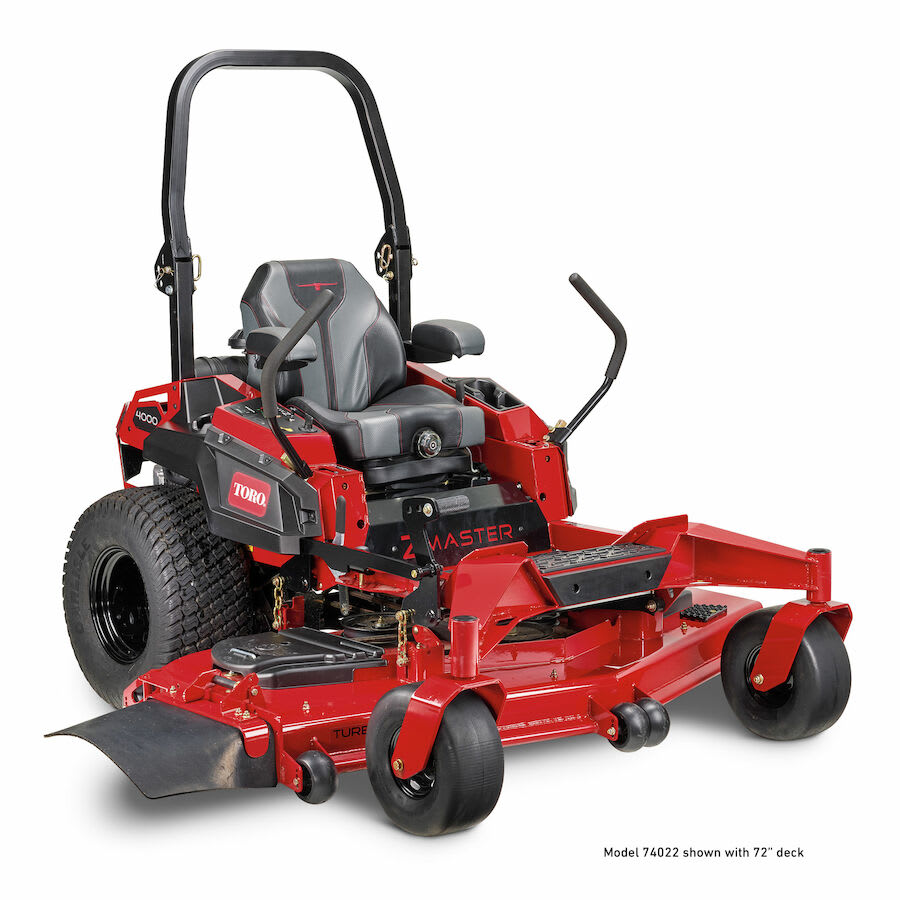
Model 74020
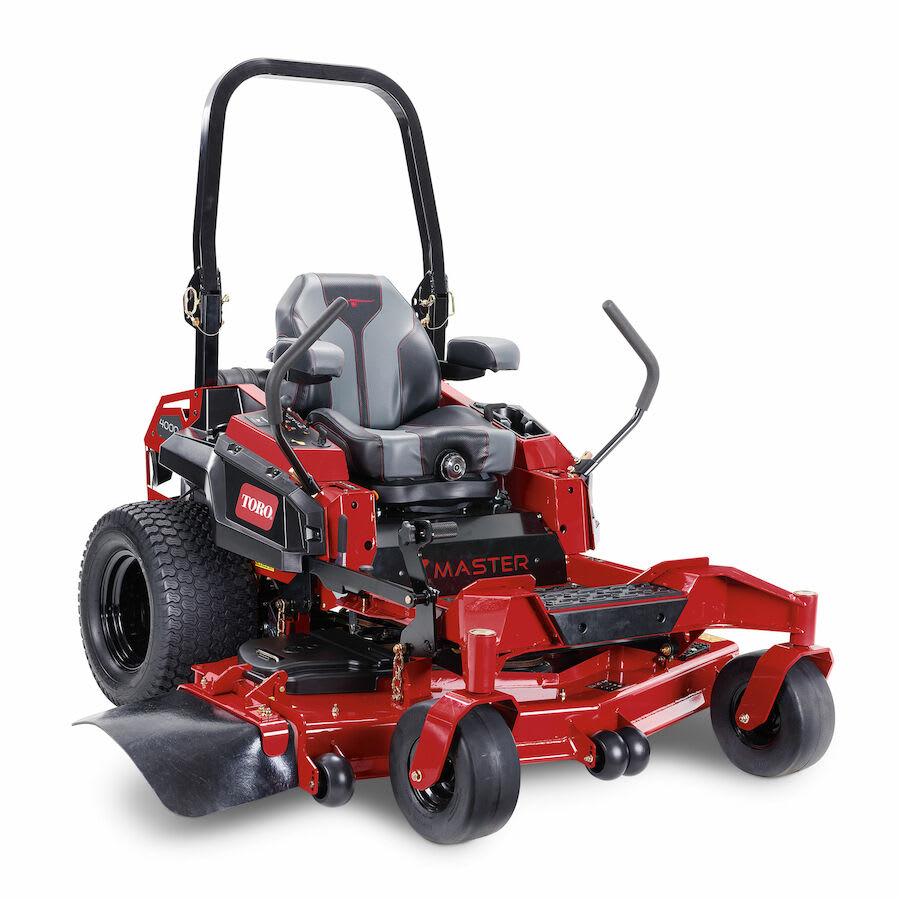
Model 74004
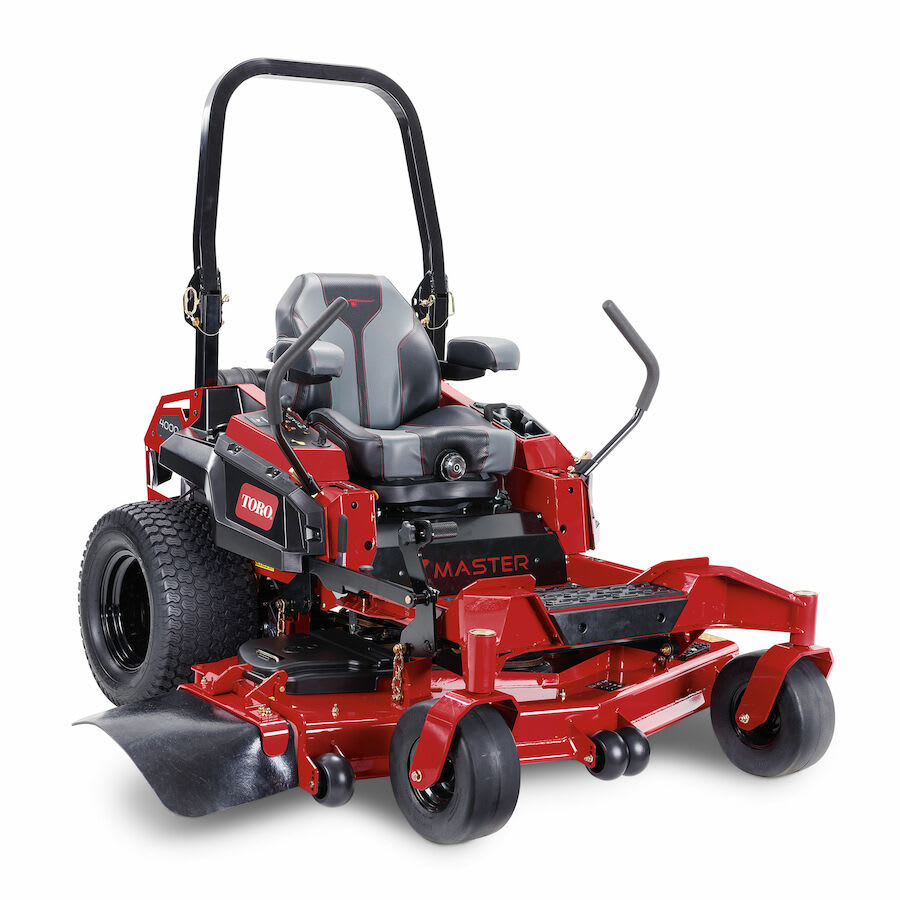
Model 74005
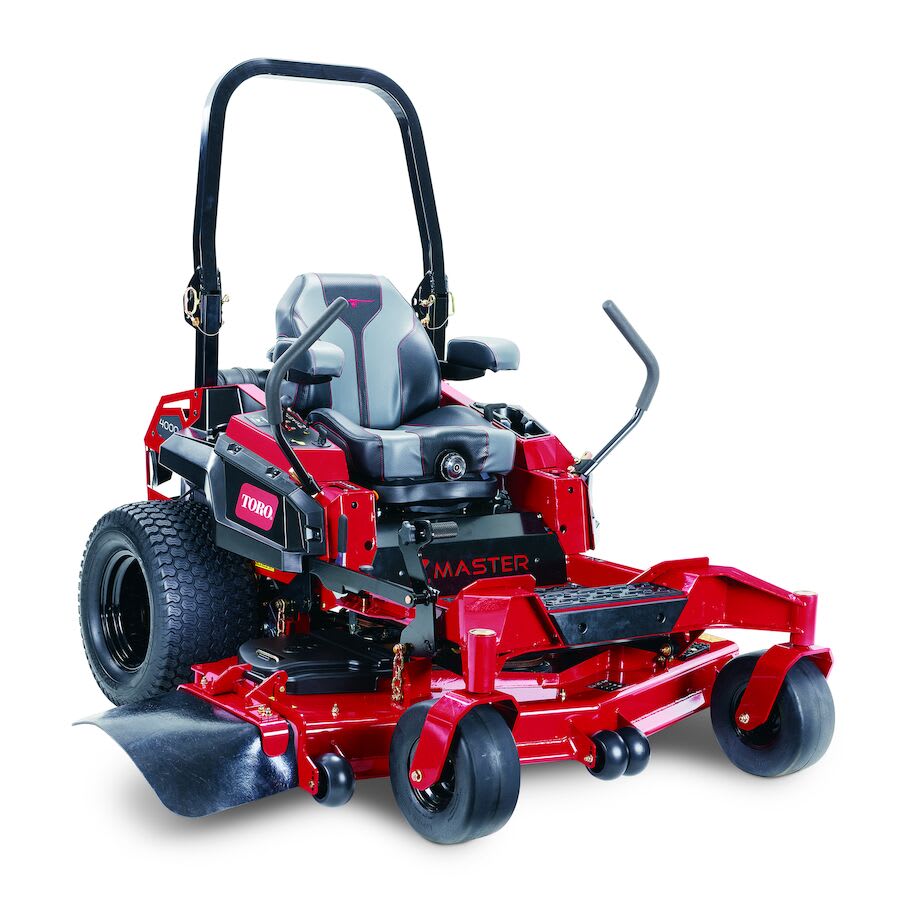
Model 74054
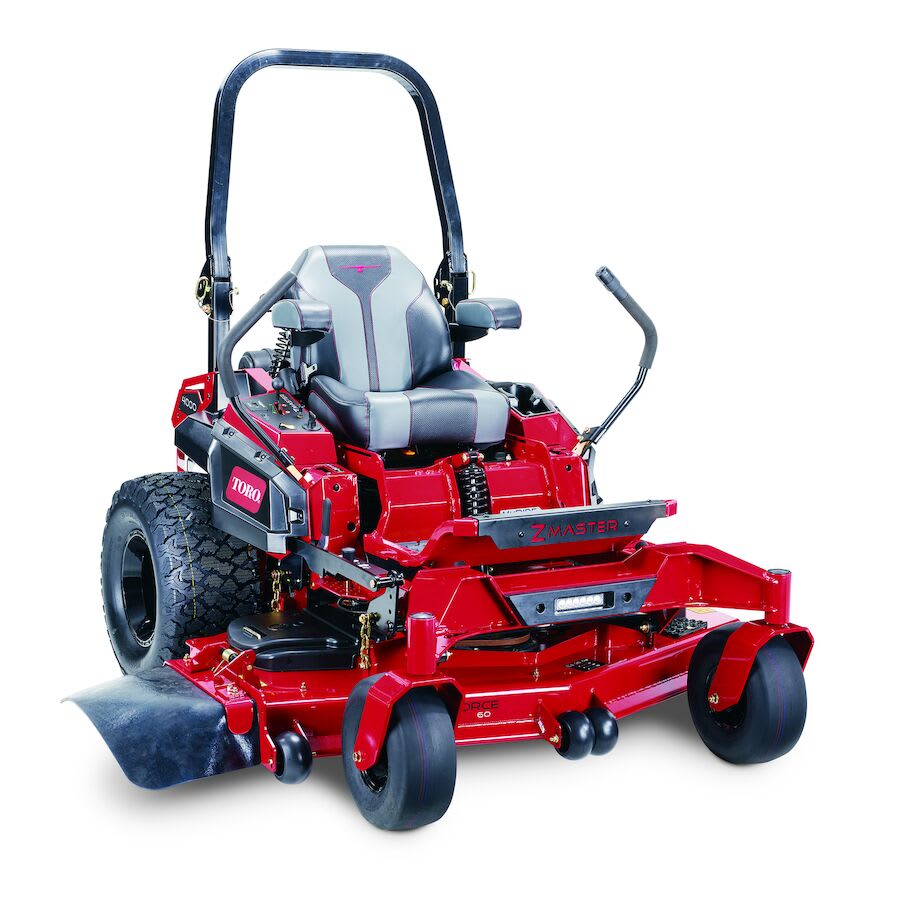
Model 74055
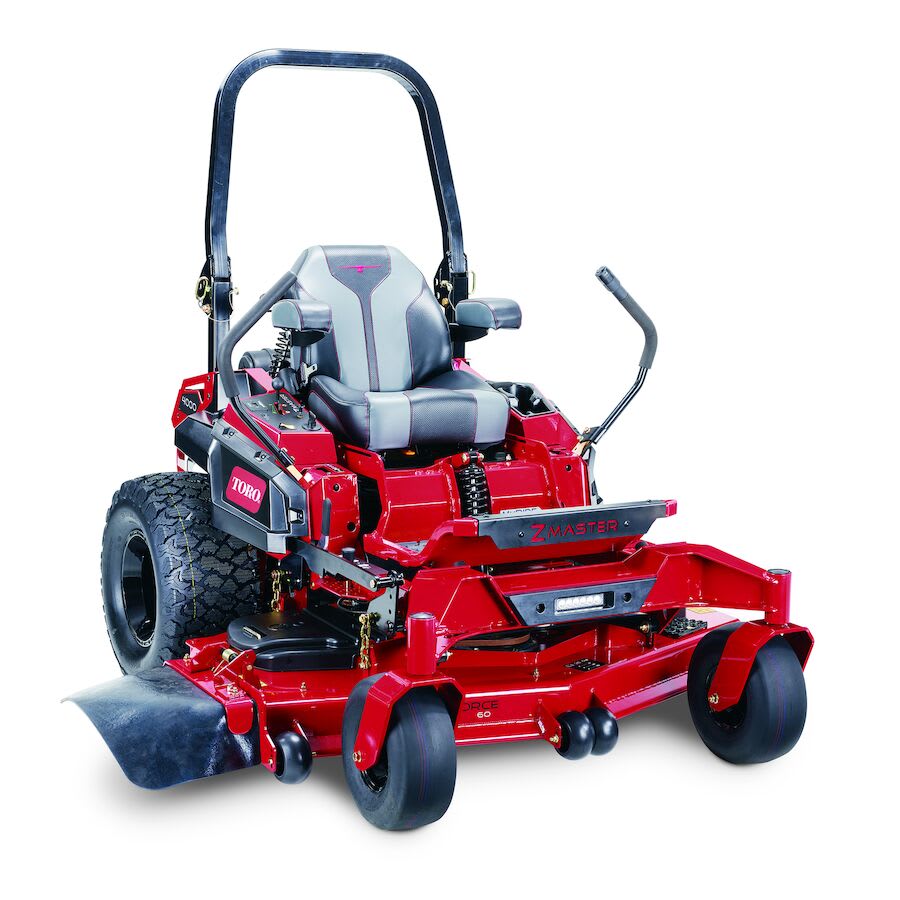
Model 74058
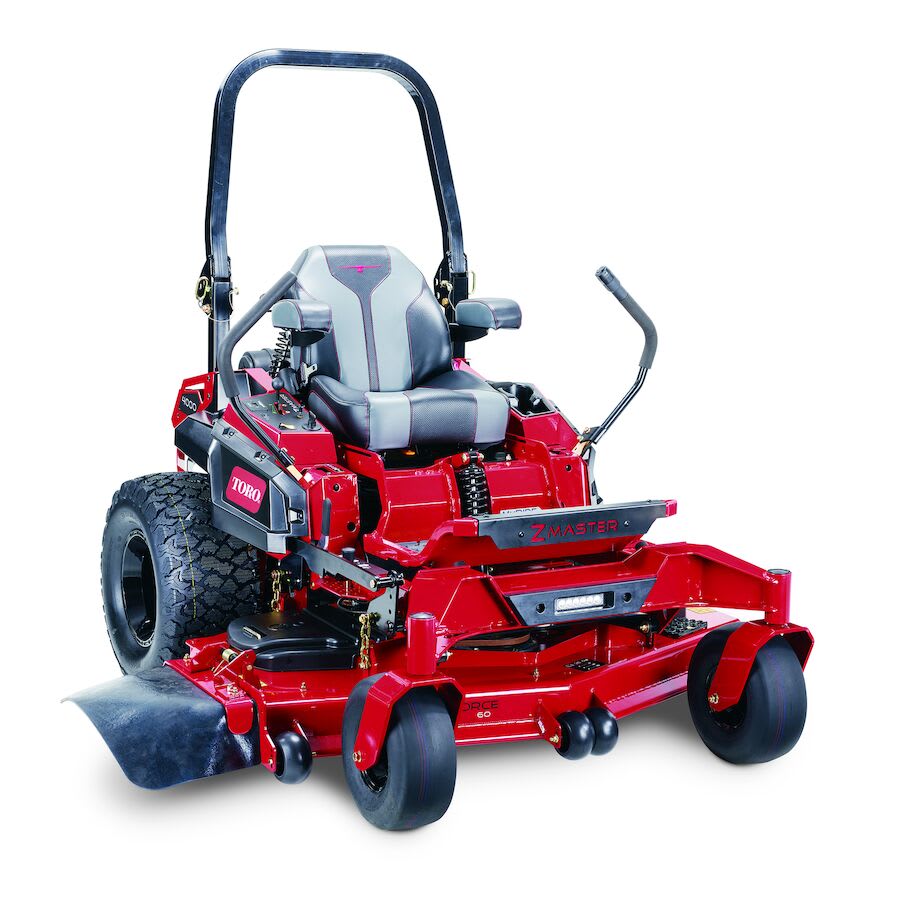
Model 74059
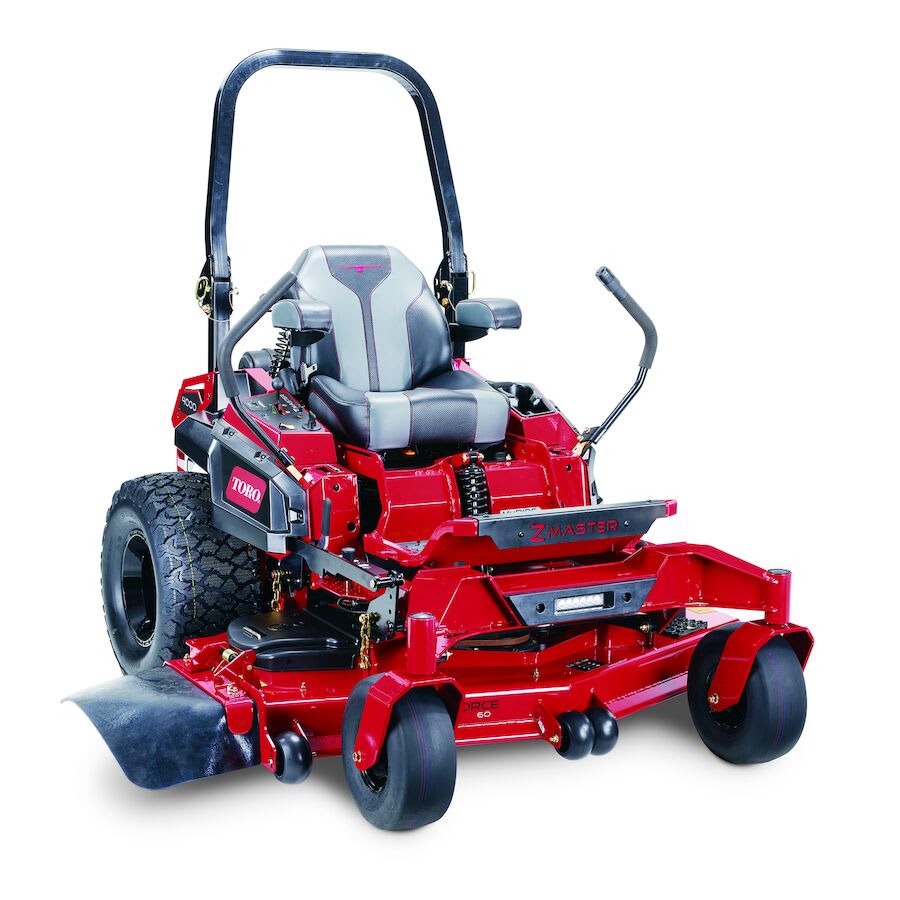
Model 74057
Come in ready to talk about what you're cutting.
Storm damage? Oak limbs? Serious felling? Tell the team what's in front of you. They'll put the right saw in your hands.
Frequently Asked Questions About Chainsaws
What bar length chainsaw do I need?
The right bar length depends on what you’re cutting. For occasional limb trimming and light storm cleanup, a 14–16 inch bar handles most residential jobs cleanly. If you’re regularly dropping trees 10 inches in diameter or larger, a 16–18 inch bar gives you more margin. Anything bigger — serious felling, large oak removal — is where 18–20 inch bars earn their keep. The team at James Lawnmower will ask what you’re cutting and recommend accordingly. Longer is not always better; a shorter bar on the right engine cuts faster and is easier to control.
What is the difference between a top-handle and rear-handle chainsaw?
A rear-handle chainsaw is the standard layout — both handles are behind the guide bar, and you hold the saw from a stable two-handed grip at your sides or in front of you. It’s what most homeowners and general-use cutters should have. A top-handle chainsaw has a single handle on top of the housing and is designed to be operated with one hand while the other grips a branch — it’s a professional arborist tool meant for working up in a tree. Top-handle saws require specific training and should not be used on the ground as a general-purpose saw. If you’re not climbing trees, you want a rear-handle model.
How often should I sharpen my chainsaw chain?
A sharp chain cuts straight, cuts fast, and produces chips — not sawdust. If your chain is producing fine sawdust instead of coarse chips, if you have to push the saw to make it cut, or if the saw pulls to one side, it’s time to sharpen. Under regular use, most homeowners should sharpen every 2–3 hours of run time. Professional crews sharpen daily. James Lawnmower offers chain sharpening in-house — bring in the bar and chain and the team will take care of it, usually while you wait.
What fuel mix should I use in a two-stroke chainsaw?
Most Stihl and Echo chainsaws require a 50:1 fuel-to-oil mix — that’s 2.6 oz of two-stroke oil per gallon of fresh, high-octane gasoline (89 or higher). Always use two-stroke oil rated for air-cooled engines. Do not use automotive motor oil. Ethanol-blended fuel (E10 or higher) is the biggest enemy of small engines — it attracts moisture, degrades fast, and damages carburetors. Use ethanol-free fuel whenever possible, or add a fuel stabilizer like Ethanol Shield if you’ll be storing the saw. The team at James Lawnmower stocks both.